Skip to content
Mumbai, Maharashtra, 400083

Business hours

Dr.Pravin's Advanced Physiotherapy Clinic & Home Physiotherapy

Monday
6am-11pm
Tuesday
6am-11pm
Wednesday
6am-11pm
Thursday
6am-11pm
Friday
6am-11pm
Saturday
6am-11pm
Sunday
6am-5pm

You can anytime during the day with your query.

9920689423

Latest Posts & Updates

Fresh stories, announcements and offers about Physiotherapy Center, Fitness centre, Physiotherapist, straight from our business.

Other Places where we provide Physiotherapy Services at Home

Physiotherapy at home in Marine Lines Physiotherapy at home in Charni Road Physiotherapy at home in Grant Road Physiotherapy at home in Mumbai Central Physiotherapy at home in Lower Parel Physiotherapy at home in Mahalaxmi Physiotherapy at home in Prabhadevi Physiotherapy at home in Dadar Physiotherapy at home in Parel Physiotherapy at home in sewari Mumbai Physiotherapy at home in curry Road Mumbai Physiotherapy at home in Chinchpokli Physiotherapy at home in Byculla Physiotherapy at home in Masjid Bunder Mumbai Physiotherapy at home in Sandhurst Road Mumbai Physiotherapy at home in Malabar Hill Mumbai Physiotherapy at home in Saat rasta Mumbai Physiotherapy at home in Breach Candy Mumbai Physiotherapy at home in Thane Physiotherapy at home in Navi Mumbai Physiotherapy at home in Kalyan Physiotherapy at home in Mira road Mumbai Physiotherapy at home in Kurla Physiotherapy at home in Ghatkopar Physiotherapy at home in Vikhroli Physiotherapy at home in Kanjurmarg Physiotherapy at home in Bhandup Physiotherapy at home in Nahur Physiotherapy at home in Mulund Physiotherapy at home in Powai Mumbai Physiotherapy at home in Mumbai Physiotherapy at home in GTB nagar Physiotherapy at home in Chembur Physiotherapy at home in Pant Nagar Ghatkopar Physiotherapy at home in LBS road Mumbai Physiotherapy at home in Chunabhatti Physiotherapy at home at Sion Physiotherapy at home in Matunga

Other Places where we provide Physiotherapy Services at Home post imageRead full post

Some other benefits of exercise for people with Ankylosing Spondylitis include:

More flexibility. You’ll find it easier to go about daily tasks when your spine is flexible. Better posture. You’ll feel more comfortable when you can stand straight and tall. Less stiffness and pain. Over time, performing a personalized exercise program will result in less pain. Better sleep. Everything is easier when you get enough sleep. Exercise will tire you out, which can lead to better sleep. Before you start Physiotherapist, know that some slight pain or discomfort will likely occur when you begin exercising. But you shouldn’t push through severe pain. Let your physiotherapist know if you’re experiencing extreme discomfort during your session. Some people will need more strengthening exercises, while others will need more stretching. A physiotherapist will help you figure out your specific needs. Seeing a physiotherapist is a great first step to incorporate exercise into your daily routine. The last thing you want to do is injure yourself and cause more pain. A physiotherapist can teach you low-impact exercises that don’t put extra strain on your joints or spine. #Ankylosing Spondylosis #physiotherapy #vikhroli #physiotherapyclinic #physiotherapist #nearme

Some other benefits of exercise for people with Ankylosing Spondylitis include: post imageRead full post

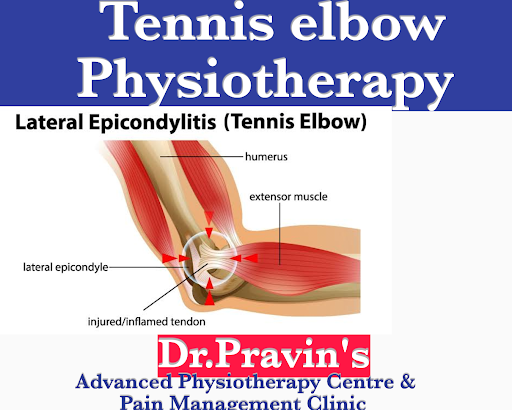
The goal is to improve the strength and flexibility of your forearm muscles so you won’t be bothe…

The goal is to improve the strength and flexibility of your forearm muscles so you won’t be bothered with tennis elbow again. Your physical therapist may also teach you ways to change your tennis stroke or other activity that is causing your elbow troubles. Physical therapy can also help improve blood flow to the tendons, which don’t get the same level of blood and oxygen supply as muscles normally receive. Exercises that improve blood flow will improve healing, too. Pain Relief Your therapist will start with pain relief, then show you exercises that stretch and strengthen your muscles. They will try to ease the pain and help your body heal with things such as: Ice massage Muscle stimulation Tape, straps, or braces for support Ultrasound You’ll also learn tips on how to rest your elbow and take the strain out of everyday activities. Exercises Once the pain eases, you’ll move onto exercises. How long it takes to get better depends on the severity of your symptoms. It could take up to 8 weeks or even longer to see results. This isn’t a “no pain, no gain” exercise situation. If you’re hurting, stop. Pushing through it only makes it worse. With the exercises below, the number of reps and how often to do them is just a guideline. Follow your therapist’s advice and program. And listen to your body. If 10 reps hurt, start with five. If doing them every day feels like a strain, try every other day and work your way up. Tennis elbow Physiotherapy https://youtu.be/RCeA0gHEFEk

The goal is to improve the strength and flexibility of your forearm muscles so you won’t be bothe… post imageRead full post

What is a sprain?

A sprain is a stretch and/or a tear of a ligament, which is the tough band of connective tissue that joins the end of one bone with another. Ligaments work to stabilize and support the body’s joints. Sprains are typically caused by a direct or indirect shock that knocks a joint out of position. A sprain has three categories: mild, moderate, and severe, and the symptoms below may appear in all cases. When a sprain occurs, you will usually feel a tear or pop in the joint. Symptoms of a sprain include: Pain Bruising Swelling Inflammation What is a strain? A strain is an injury to a muscle and/or tendon. Tendons are the cords of tissue that attach muscles to the bone. Strains are typically caused by overuse of a muscle or tendon. A strain has three categories: mild, moderate, and severe, and you may experience any or all of these symptoms in all cases. Symptoms of a strain include: Pain Muscle spasm Muscle weakness Swelling Inflammation The RICE Principle If you think you have a sprain or strain, we suggests following the RICE principle. RICE stands for: Rest. Minimize use of the area. Ice. Apply for periods of 10 to 15 minutes every 3 hours. Compression. Use a compression bandage, but be careful not to make it too tight. Elevation. The affected area should be higher than the level of your heart to reduce swelling. Physiotherapy Treatment for Strain or Sprain Pain Management Protecting the joints and muscles Soft tissue mobilization Electrotherapy.

What is a sprain? post imageRead full post

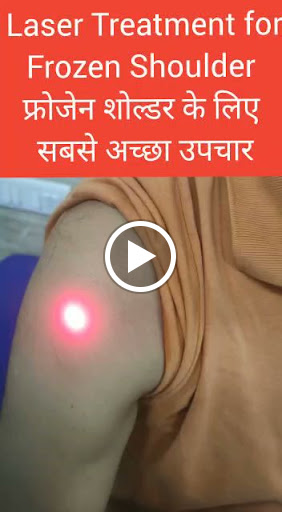
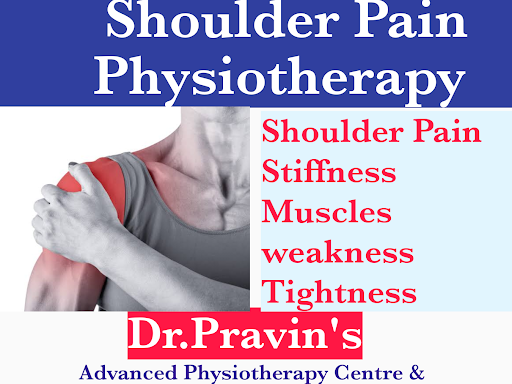
Shoulder Pain Physiotherapy

Physiotherapy can be the best supporting treatment for any kind of the shoulder pain. Shoulder pain and stiffness there may be varies reason and underlying pathology related to the joints. Pain and stiffness may be because of overuse, very less use of shoulder joints structure, history of lying one side on shoulder joints , strain or sprain in shoulder joints. Physiotherapy treatment for Shoulder Pain includes Pain Management and stretching and strengthening exercises to recover all normal range of motion in shoulder joints.

Shoulder Pain Physiotherapy post imageRead full post

physiotherapy for neck pain, stiffness, loss of mobility, weakness and headaches. So, if you are…

physiotherapy for neck pain, stiffness, loss of mobility, weakness and headaches. So, if you are suffering with any of these symptoms early diagnosis and treatment will help you achieve optimal recovery. Physiotherapy treatment for Neck Pain in the clinic near me includes SWD for neck pain , Traction or cervical traction, IFT and TENS machines. Ultrasound Physiotherapy treatment is also useful in neck pain treatment. Dry Needling and cupping Therapy is used to release the muscles knots in neck pain or Shoulder pain. We also provide ergonomics advise to reduce cervical pain or neck pain. #Physiotherapy for neck pain Physiotherapy for cervical pain Physiotherapy for neck pain in Physiotherapy clinic Physiotherapy clinic near me Physiotherapy in Vikhroli Physiotherapy in Powai Physiotherapy in kanjurMarg Physiotherapy in Bhandup

physiotherapy for neck pain, stiffness, loss of mobility, weakness and headaches.  So, if you are… post imageRead full post

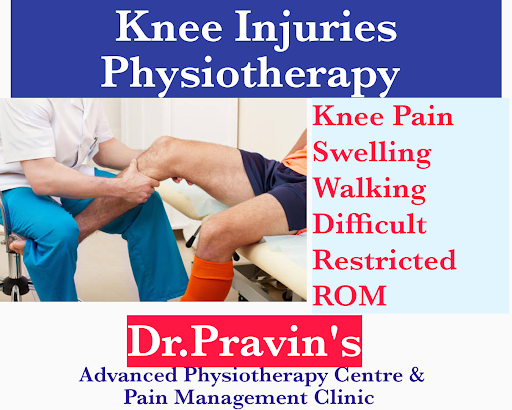
Do you have a bad knee? A little stiff and sore particularly after exercise?

You might want to get these checked out as our knees are known for lengthy lay off periods if badly injured. The knee joint has been studied extensively due to the high incidence of knee injuries in sport, and with early intervention the management of knee pain and injuries through simple measures can be extremely effective. The knee is one of the most important and complex joints in the body. The central point for four major bones, fourteen ligaments and several key muscle groups, the knee can be a troublesome area for many people. Though often a common sports injury, knee injuries can occur many ways; including simple wear and tear of the bone, muscle or tissue. Specific conditions: Patellar Tendinopathies, Knee Osteoarthritis, Runner’s Knee, Pain at the back of the Knee, Clicking Knees, Osgood Schlatter’s Disease, Knee Fat Pad Impingement INJURY AVOIDANCE & RECOVERY OF THE KNEE Even though the knee is designed to support up to five times the body’s weight, care must be taken. Whether weightlifting or moving house, correct lifting technique is essential for knee functionality. Similarly, warming up the joint before physical activity will also reduce the likelihood of injury. Correct loading and exercises such as squats and lunges can be used to strengthen the joint, particularly the ligaments and surrounding musculature, and prevent injury. Best knee pain Physiotherapist.

Do you have a bad knee? A little stiff and sore particularly after exercise? post imageRead full post

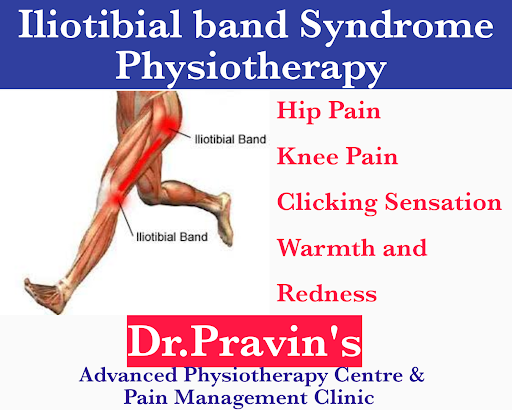
What is iliotibial band syndrome (ITBS)?

Iliotibial band syndrome is where a tendon called the iliotibial band gets irritated or swollen from rubbing against your hip or knee bones. The tendon is on the outside of your leg, and it goes from the top of your pelvic bone down to your knee. It rubs against your bones when it gets too tense (tight). There are many reasons why your iliotibial band might tighten. Tendons are flexible, elastic-like fibrous tissues that connect your muscles to your bones. Your tendon pulls on the bone when you squeeze a muscle, and that makes your bone move. Key points about iliotibial band syndrome Iliotibial band syndrome causes pain on the outside of your knee. It often happens in athletes, especially distance runners. But anyone can get it. Using incorrect sporting equipment and having a poor running stance may increase your chance of having this condition. Most people respond to treatment such as pain medicines, ice, stretching, and strengthening exercises, and limiting the activity for a while. #Physiotherapist #bestPhysiotherapyclinic #Dr.Pravin's #nearme #hippain #kneepain #nearme #vikhroli #mumbai

What is iliotibial band syndrome (ITBS)? post imageRead full post

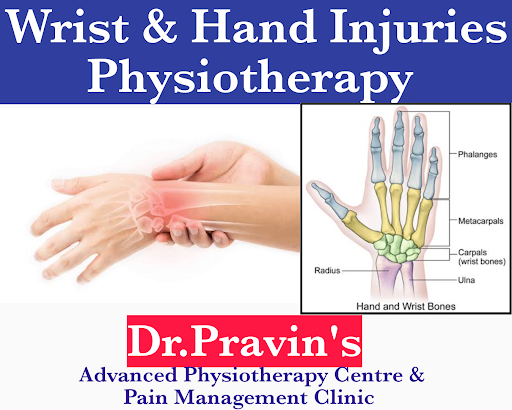
Physiotherapists treat injuries to the wrist, hand and fingers. Physiotherapists are knowledgeab…

Physiotherapists treat injuries to the wrist, hand and fingers. Physiotherapists are knowledgeable about the anatomy of the wrist, hand and fingers. They understand the complex movements of the bones and joints and the role of muscles and ligaments in providing support to the joints. Dr.Pravin's Advanced Physiotherapy has a special interest in wrist, hand and finger injuries resulting from rock climbing. Our team at Vikhroli in the suburb of Mumbai have been trained to accurately diagnose and treat conditions of the wrist and hand. Need Help With Your Wrist and Hand Injuries? Book an appointment online with one of our expert physiotherapists. #wrist injury Physiotherapy #wrist problem Physiotherapist #physiotherapist #clinic #best Mumbai #vikhroli #kanjurmarg #powai #bhandup #physio #clinic near me #physiotherapy opens on Sunday

Physiotherapists  treat injuries to the wrist, hand and fingers. Physiotherapists are knowledgeab… post imageRead full post